Archetypes: Where Psychology Meets Magic
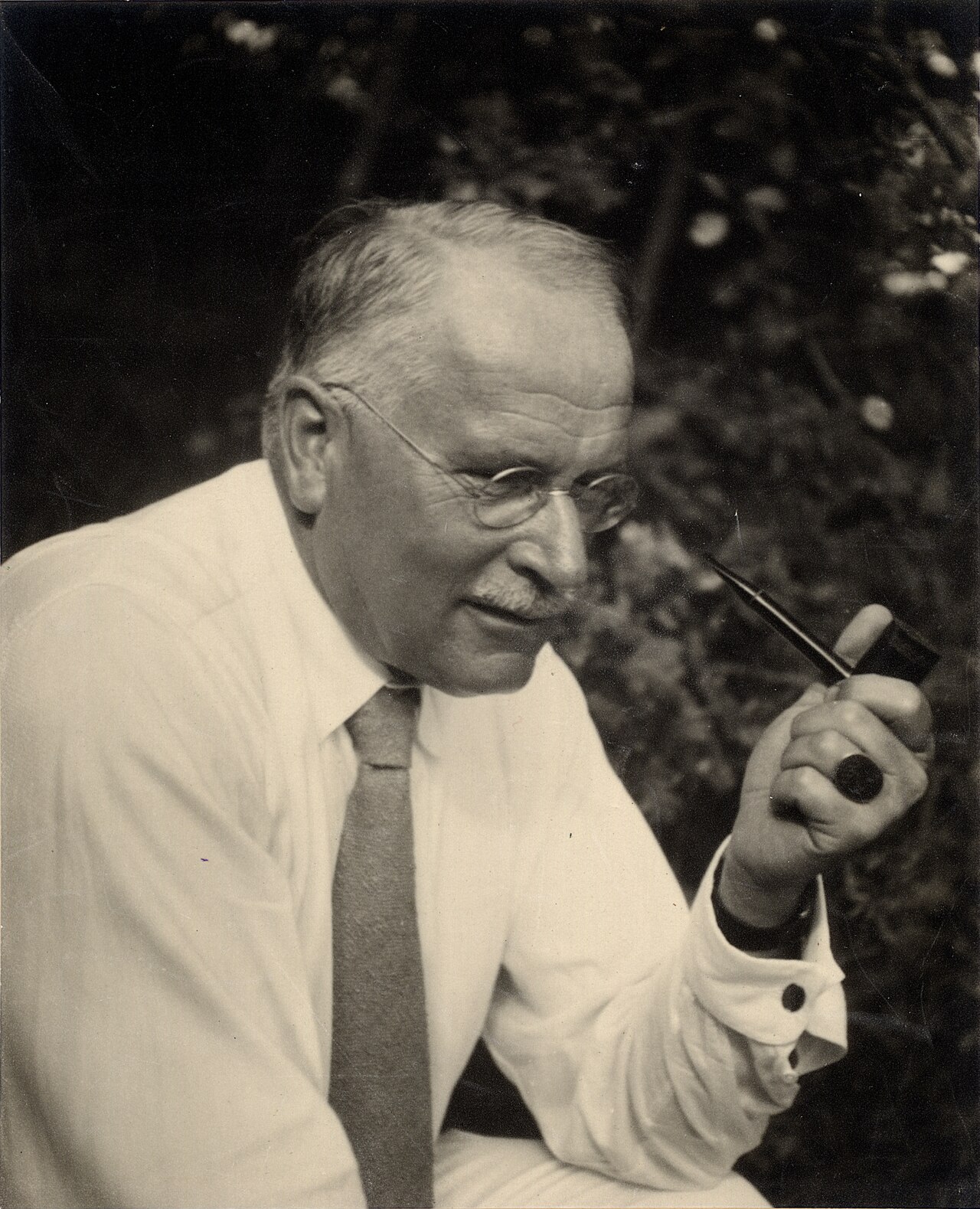
Carl Jung, one of the most influential psychologists of the 20th century, believed that symbols are the language of the unconscious. He saw archetypes, myths, dreams, and spiritual images as expressions of what he called the collective unconscious, a vast, shared reservoir of human experience that transcends time and culture.
If that sounds like the language of the Tarot, that’s because it is.
The Tarot, with its vivid imagery and archetypal figures, The Fool, The Lovers, The Hermit, Death, and others, is more than a divination tool. It’s a symbolic mirror, reflecting the unconscious patterns and energies that shape our lives. Jungian psychology and Tarot both operate on the same wavelength: the exploration of self through symbols.
Archetypes and the Major Arcana
Each card in the Major Arcana embodies a universal archetype, a symbolic energy present in all people. These archetypes can be thought of as psychic blueprints, representing the stages and challenges of human development.
Let’s look at a few key connections:
- The Fool – The Innocent / The Seeker
Represents the archetypal beginning of the soul’s journey. Like Jung’s concept of individuation, The Fool sets out into the unknown, naive but open to experience, embodying the raw potential within us all. - The Magician – The Manifestor / The Self-Aware Mind
This card aligns with the archetype of the Creator or Alchemist, one who understands that thoughts shape reality. In Jungian terms, it’s the conscious ego learning to direct the energies of the psyche. - The High Priestess – The Anima / The Inner Mystery
A direct representation of the unconscious feminine, intuition, dreams, and the moonlit depths of the psyche. She invites us to listen to our inner knowing rather than seek answers externally. - The Shadow – Death, The Devil, and The Tower
Jung described the Shadow as the parts of ourselves we repress or deny. The darker archetypes in the Tarot (like The Devil) ask us to confront what we fear or hide, not to destroy us, but to make us whole. - The World – The Self / Integration
The final card in the Major Arcana expresses the culmination of the individuation process: unity between inner and outer worlds, conscious and unconscious. Harmony restored.
The Reading as a Mirror
When you pull cards in a spread, you’re not predicting an external future; you’re conversing with your inner world.
Jung called this process active imagination: a dialogue between consciousness and the unconscious through symbolic imagery. Each Tarot reading becomes a sacred conversation with your psyche, highlighting your current archetypal stage and helping you understand where healing, action, or surrender is needed.
Working With Tarot the Jungian Way
Here are a few practices to deepen your relationship with your deck through a Jungian lens:
- Journal Archetypes
After a reading, write down the archetypes that appeared and what they might represent in your current life story. - Dream with the Cards
Place a card under your pillow or by your bedside and notice what dreams or symbols emerge that night. - Shadow Work Spreads
Use cards like The Moon, The Devil, or The Tower as anchors for exploring repressed emotions or patterns. - Individuation Journey
Follow the Fool’s Journey through the Major Arcana intentionally: One card per week, reflecting on how each archetype manifests in your inner world.
The Soul’s Mirror
In the end, both Jungian archetypes and the Tarot invite us to recognize that the magic we seek “out there” is actually within. Every card is a fragment of our own psyche, waiting to be understood and integrated.
When you shuffle a deck, you aren’t summoning fate, you’re summoning yourself.
Are you interested in a reading? Schedule one today!